

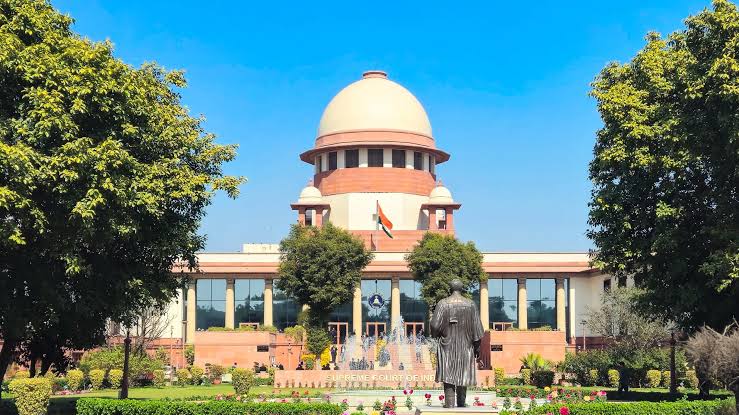
VIJAY GHANSHYAM GADIYA … APPELLANT
VS.
UNION OF INDIA & ANR. … RESPONDENTS
A significant order from the Supreme Court this week (2026 INSC 947, per Dipankar Datta, J.) should be required reading for every practitioner and adjudicating authority using AI tools.
The facts: The Additional Commissioner of Customs, Surat had imposed a penalty of Rs. 425,27,99,100/- on the appellant under Section 114 of the Customs Act, 1962, for allegedly mis-declaring natural diamonds as lab-grown to avail a lower tariff. The Gujarat High Court upheld the penalty. The appellant then flagged something startling: several judgments and articles relied upon in the Order-in-Original appeared to be AI-generated.
What the Court found: On verification, the Bench confirmed that the department had cited case laws that were either non-existent or carried fake citations and that even genuine cases had been made to say things they never actually held. Classic AI hallucination.
The Court’s response :- zero tolerance: Relying on its own precedent in Pooja Ramesh Singh v. Jammu & Kashmir Bank Ltd., the Court reiterated that:
1. Citing unverified AI-generated “precedents” is misconduct on the part of an advocate.
2.Reliance on fake/hallucinated material by a judge or adjudicating authority is an equally serious lapse.
3.A decision tainted by even “an iota” of such material is no decision in the eyes of law, full stop.
Importantly, the Court clarified this isn’t an indictment of AI as an assistive tool. As it put it: AI may serve as training wheels, but it cannot be handed the pilot’s seat.
The outcome: The penalty order and the High Court judgment upholding it were both set aside. The matter has been remanded for fresh adjudication by a different officer, and the Court has left it to the appointing authority to consider action against the original author of the order.
Why this matters: As AI tools become common in legal research and even in departmental adjudication, this order is a clear signal: verification is non-negotiable, and the duty to check sits squarely with both the Bar and the Bench.
#IndianJudiciary #SupremeCourtOfIndia #LegalTech #ArtificialIntelligence #CustomsLaw #LegalEthics #AIinLaw